British farmers work hard every day to produce food to help feed the nation and act as custodians of the countryside
Many of us are trying to reduce our environmental impact, but from plastic pollution to carbon emissions, there is a lot to consider with everything we do and buy.
When it comes to the food we eat, producing enough quality food whilst ensuring we can produce enough in the future is important – it’s what makes it sustainable. To do this, UK farmers work alongside nature to get the best out of the resources we have here in the UK, as custodians of the countryside and landscapes we know and love.
Land
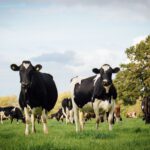
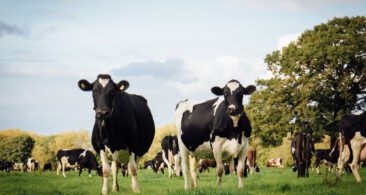
Some of the UK’s agricultural land isn’t suitable to support food crops but can be ideal for grazing animals.
By using this land to graze livestock like cattle and sheep, farmers can produce good-quality, nutritious food, while maintaining the land for nature, providing wildlife with habitats food sources and shelter.
Water
We may love to moan about our weather, but rainwater makes up around 90% of the water needed to produce red meat and dairy in Britain*, so it’s pretty convenient that we get so much rain.
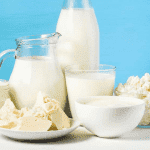
This means only a small amount of mains water is needed to produce British beef, lamb and milk.
*Source – AHDB Testing the Water report 2013
Rainwater makes up
90%
of the water needed to produce red meat and dairy in Britain*
Food
Cattle and sheep play a really important role in sustainable food production because they can turn things like grass and food by-products that we can’t eat, into meat and milk for humans, providing high quality protein alongside a range of nutrients we can’t make ourselves.
It’s important to be clear that everything farmers give livestock to eat is balanced in nutrients and of good quality, but most of it isn’t food we can eat.
For a start, humans get no nourishment from grass (we quite literally don’t have the stomach for it) but cattle and sheep very much do.
Next, there is crop waste, or co-products. These are from wheat, barley, maize, oil-seed rape and crops that do not meet quality standards – like wonky veg, or wheat unsuitable for breadmaking.
And finally, there is food-processing waste, like pea pods, vegetable peelings, sugar beet pulp and even spent grain from beer making. Cheers!
FARMERS WORKING alongside nature
Agriculture is uniquely placed to be part of the solution against climate change and nature restoration. To hear more from some British farmers about what they are doing to be more environmentally friendly, see our farmer stories.
We use cookies to ensure that we give you the best experience on our website. If you continue to use this site we will assume that you are happy with this.