Hear from farmers, who are leading the way to take greater care of nature
Managing land in a way that supports nature is a key concern of the
modern-day farmer, whether that’s planting trees and hedgerows, growing wildflowers for bees and other pollinators or maintaining grazing land that support insects, mammals and birds.
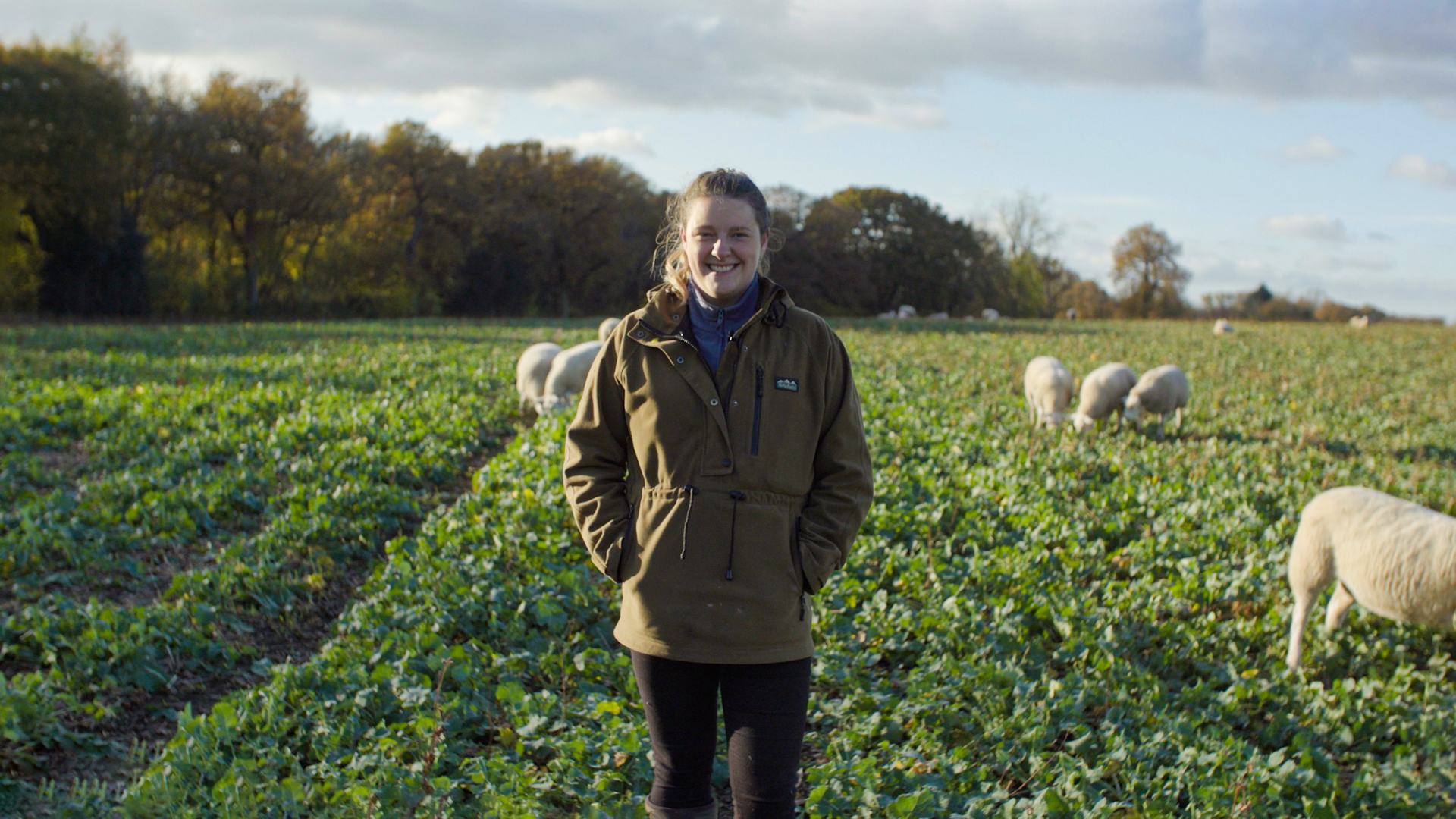
The livestock and crops work well together reducing dependency on artificial fertilisers and pesticides.”
UK livestock and crops farmer Charlie Beaty
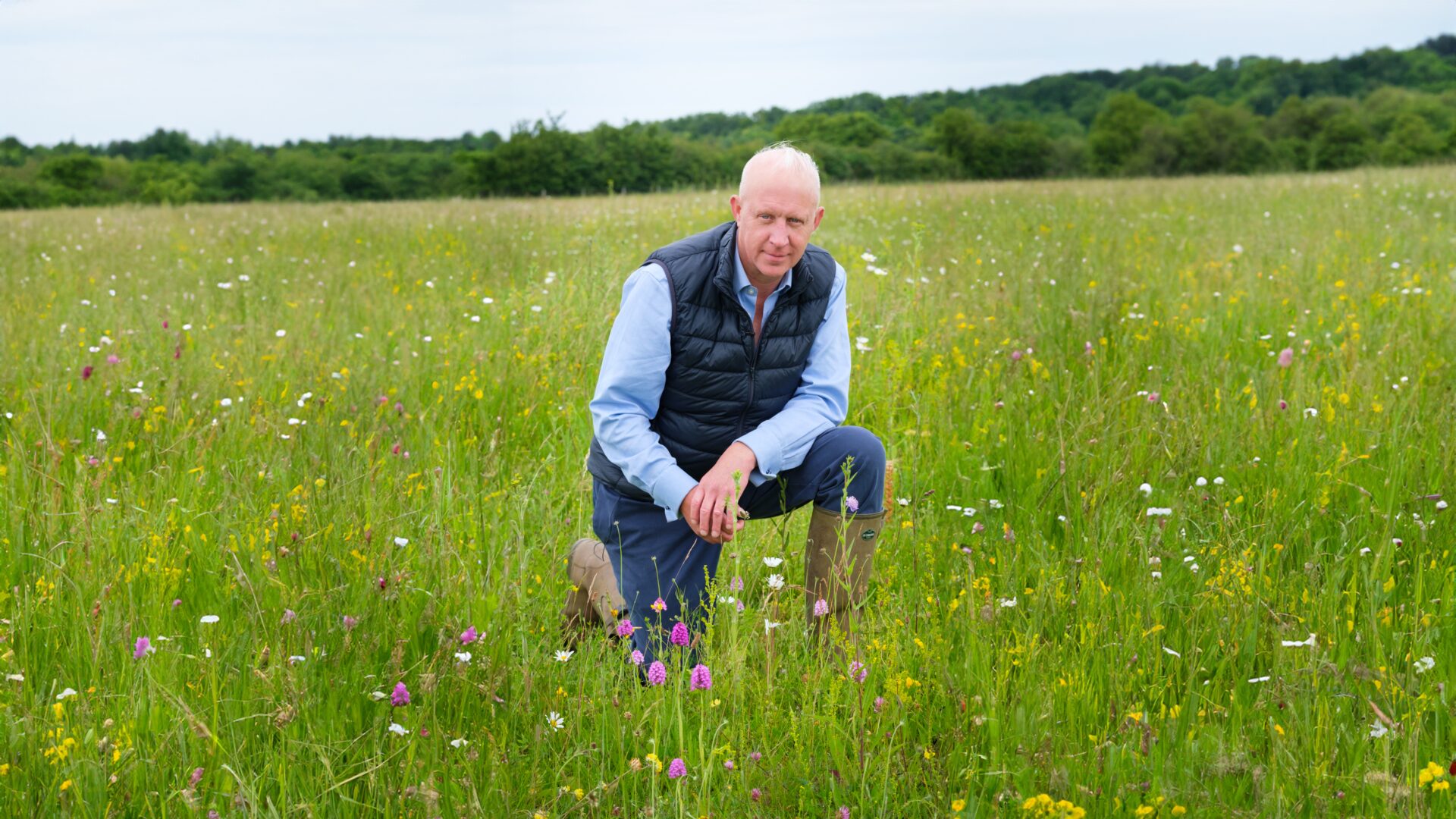
Director of Conservation at the Holkham Estate, Jake Fiennes
Jake Fiennes feels incredibly privileged to look after the land of Norfolk’s Holkham Estate. Home to a variety of sheep and cattle, he maintains the varied landscapes to work in harmony with nature.
By grazing sheep and cows, their poo provides the perfect natural fertiliser, meaning he is able to use less organic fertiliser on farm*, which has the potential to increase soil organic carbon and supports its biodiversity.
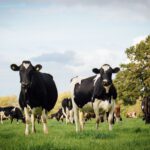
Creating varied grass heights is important for pollinators, insects and birds, that’s why Jake uses Belted Galloway cows to create this unique habitat. This method of grazing has boosted the Estates population of species like the lapwing and the skylark.
The Estate’s 400km of hedges are critical habitat corridors and are carefully managed to ensure they can provide food and shelter all year round. This creates a habitat that has boosted the population of bees, butterflies and birds like the yellow hammer on the farm.
Silas Hedley-Lawrence is a passionate believer in working alongside nature on his farm in Oxford. Silas tells us more about his own approach:
Silas Hedley-Lawrence, UK livestock farmer
“I had this big light bulb moment about 10 years ago and it really kind of changed my mindset around how I produced foods and beef and grazed my pastures. And I figured if you work with nature and you treated your farm as an ecosystem, you’ve got more carbon and energy and water and minerals through your system. You start to improve soil health. And when you do that, your pasture gets more productive, it gets more diverse and your cattle benefit from that, you can spend less on inputs, and you actually get more production out of your farm just by working with nature in that way.”
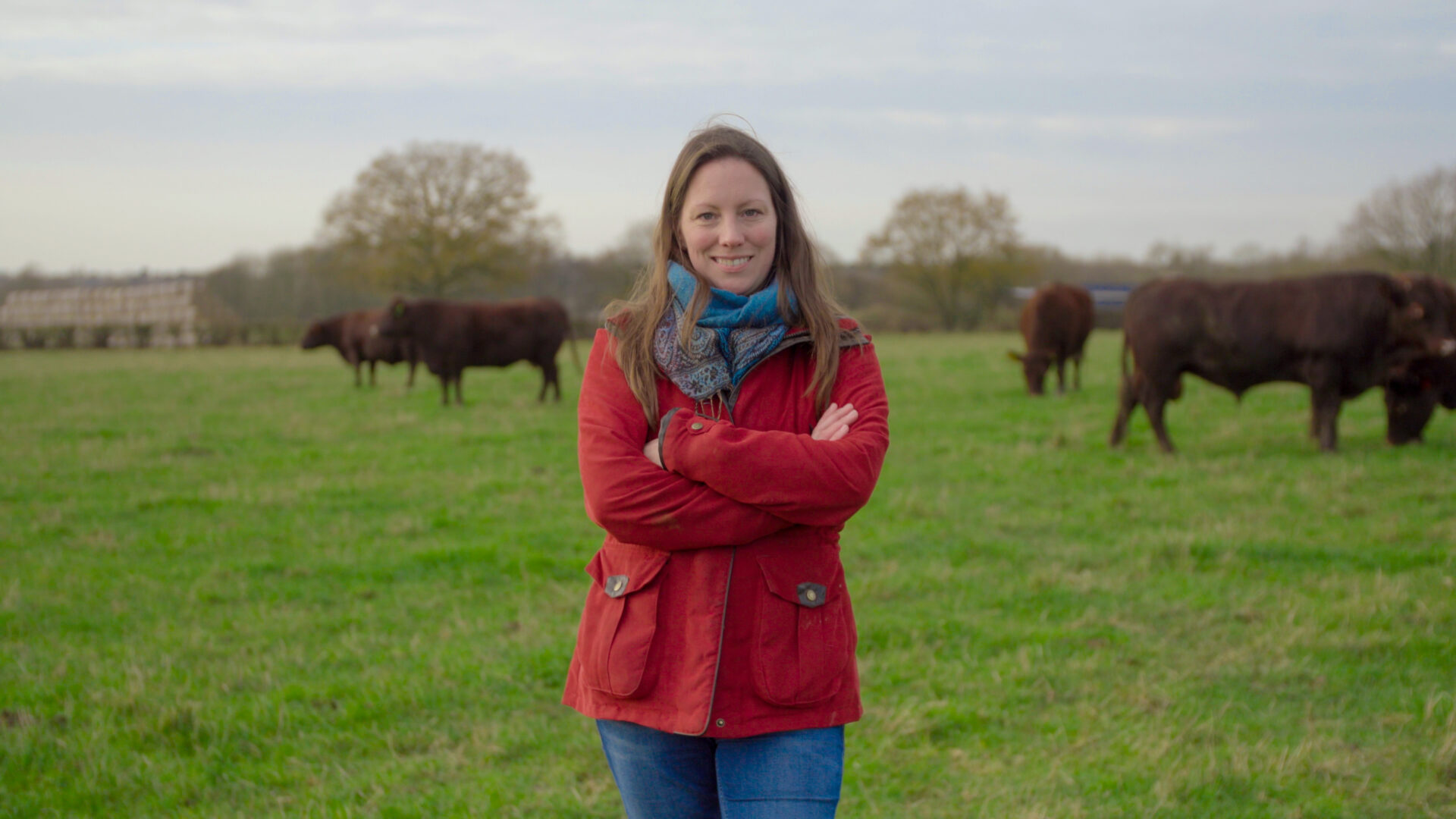
Anna Blumfield, UK livestock farmer tells us how she reduced the use of soy on her farm:
“On our farm we don’t use any soy to feed our animals. Instead, we grow a mix of different grasses, clovers and herbs to feed them all year round providing them with all the nutrients they need.”
We use cookies to ensure that we give you the best experience on our website. If you continue to use this site we will assume that you are happy with this.