
Back to all news

Role of animal-based foods in GLP-1 therapy

Published

GLP-1s: navigating evolving nutritional needs

The use of GLP-1 medications for weight loss has increased rapidly in recent years. GLP-1s work by slowing gastric emptying, enhancing satiety and reducing appetite, leading to a marked reduction in food intake, with the potential to compromise dietary nutritional adequacy.

Nutrient-dense, animal-based foods can be effective in helping individuals meet nutritional needs within a reduced energy intake.

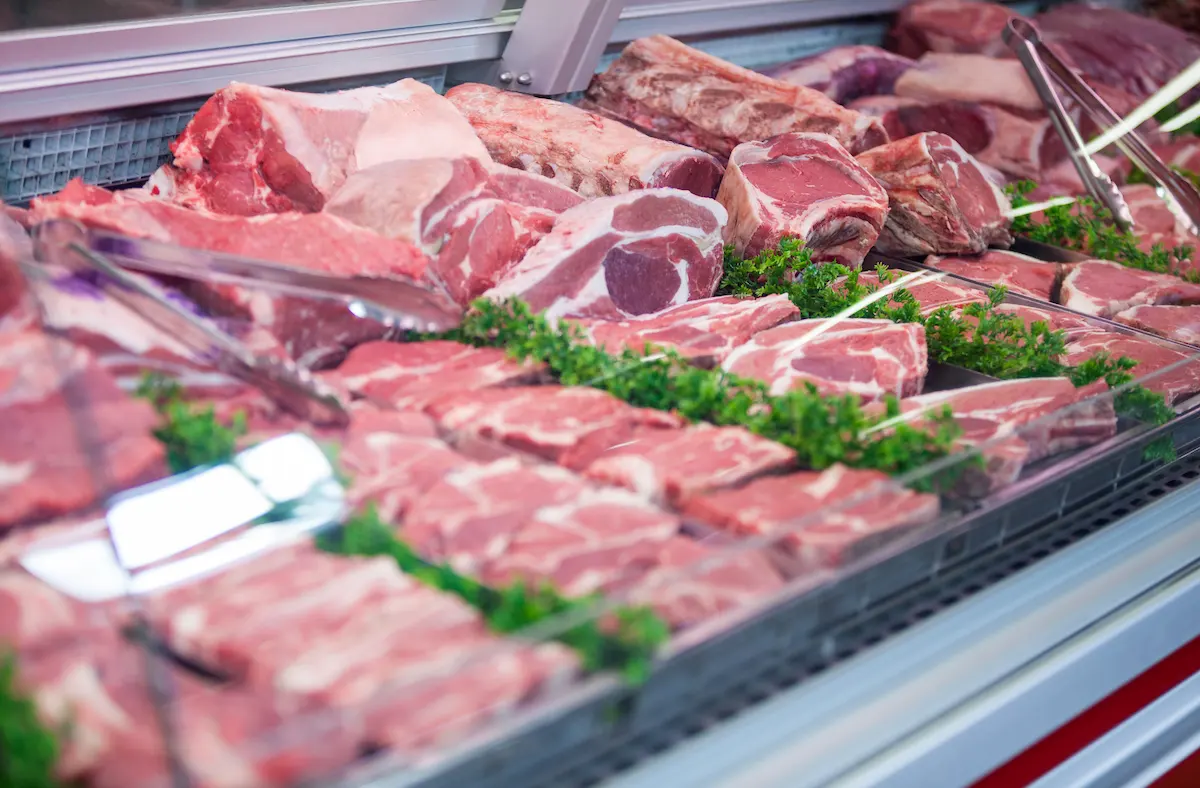
Meat on display in a butcher's shop

Dietary strategies for GLP-1 users should extend beyond weight loss to promote long-term health and wellbeing:

Dietary strategies for GLP-1 users should extend beyond weight loss to promote long-term health and wellbeing:

1. Preserve lean mass

Lean mass accounts for approximately 25% of total weight loss with GLP-1s.

How animal-based foods can support: Lean meat, dairy, fish and eggs provide highly digestible protein with a favourable essential amino acid profile to support muscle protein synthesis. Animal-sourced proteins are generally more efficiently digested than plant proteins and, when combined with resistance exercise, are associated with supporting lean mass preservation.

2. Prevent micronutrient deficiencies

GLP-1 users are at risk of low micronutrient intakes, for example iron and vitamin B12.

How animal-based foods can support: Red meat is a rich source of bioavailable haem iron, zinc and B vitamins, including vitamin B12.

3. Support bone health

Weight loss is associated with reductions in bone mineral density.

How animal-based foods can support: Dairy products provide a combination of many bone-beneficial nutrients, including calcium, potassium, zinc, phosphorus and protein.

4. Deliver nutrient density

Nutritional adequacy can be difficult to achieve due to a marked reduction in intake.

How animal-based foods can support

A small portion of lean beef can provide protein, iron, zinc and B vitamins in one serving. This combination is difficult to replicate with the same efficiency using lower nutrient-density foods.

Plant-based diet considerations

Nutritional adequacy is still achievable but requires more attention.

  • Plant-based proteins vary in amino acid profiles; combining different sources can help meet protein needs.
  • The digestibility of plant-based proteins can differ depending on the source and processing.
  • For those with smaller appetites, meeting protein needs may require more thoughtful food choices.
  • Variation in bioavailability can influence how well some micronutrients, for example vitamin B12, iodine, iron and zinc, are obtained from plant-based diets.

Practical strategies for dietitians and nutritionists

  • Encourage small servings of high-quality protein spread throughout the day.
  • Promote micronutrient-rich, nutrient-dense food choices.
  • Monitor potential deficiencies, including vitamin B12, iron and calcium.
  • Support bone health through adequate calcium, vitamin D and resistance exercise.
  • Adapt meal structure, using smaller, more frequent meals or snacks.
  • Individualise dietary advice, considering preferences, cultural practices and dietary patterns. 

Read the full article by registered dietitian Nichola Ludlam-Raine in Complete Nutrition