Back to all news

Making Every Mouthful Matter: Eating Well on GLP-1 Weight-Loss Medications

Published

What It's About

GLP-1 medicines are becoming increasingly popular among people looking to lose weight. One of the ways these medicines work is by helping you feel fuller for longer, which often means eating smaller meals and fewer snacks throughout the day.

While eating less can help with weight management, it can also make it harder to get all the nutrients your body needs. Choosing nutrient-dense foods can help you get more nutritional value from every mouthful, making it easier to include important nutrients such as protein, fibre, vitamins, and minerals as part of a balanced diet.

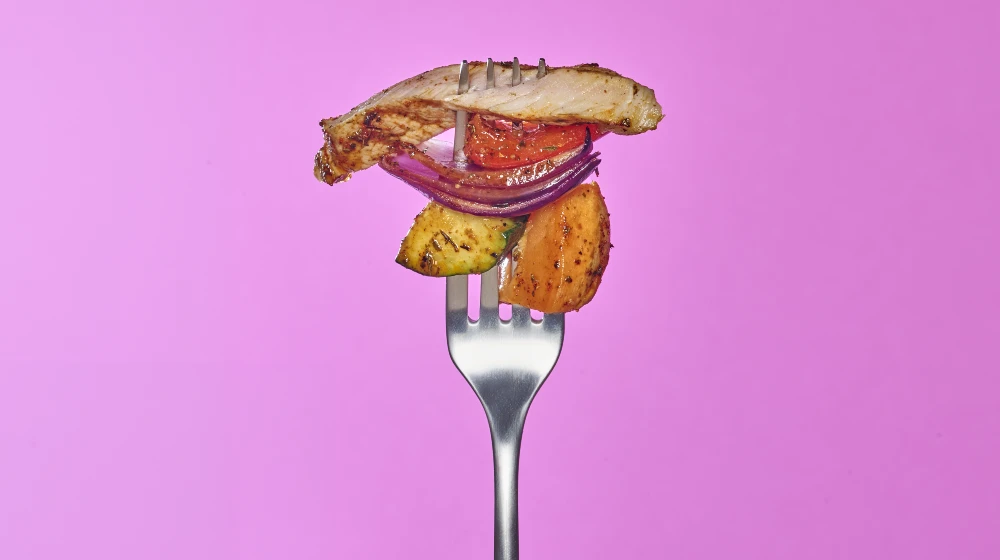
Pork with roast veg on a fork

Why nutrition matters when you're eating less

Nutrient-dense foods are those that provide a range of nutrients, such as protein, vitamins, and minerals, relative to the amount of food eaten. In simple terms, they help you get more nutritional value from the food you eat. A few examples of these are beef, lamb, pork, dairy, fruit, and vegetables.

A balanced diet remains the foundation of good health. This means including a variety of foods from across the main food groups, including vegetables, fruit, wholegrains, dairy foods, and protein-rich foods.

When eating smaller portions, a nutrient-dense diet can help provide essential nutrients without needing to eat large amounts.
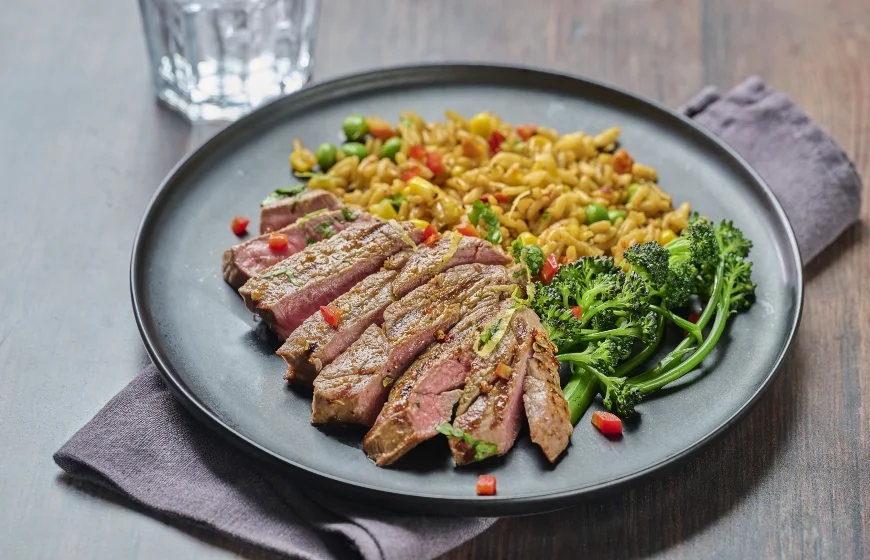
 

Don't overlook protein

In terms of essential nutrients, protein is an important one for the body and contributes to the growth and maintenance of muscle mass, as well as the maintenance of normal bones. Maintaining muscle is important for everyday strength, movement, and physical function, particularly when losing weight and eating less than usual.

Because people taking GLP-1 medicines often eat smaller portions, it can be helpful to include a source of protein whenever you eat. Protein-rich foods can provide important nutrition in relatively modest portion sizes.

Foods such as lean beef, lamb, pork, chicken, fish, eggs, milk, yoghurt, and cheese provide high-quality protein and can help form the foundation of balanced meals and snacks.

Simple ways to include protein throughout the day include:

  • Greek yoghurt with fruit at breakfast
  • A glass of milk alongside a meal
  • Lean beef, lamb, or pork in a stir-fry, salad, or wrap
  • Cottage cheese on wholegrain toast
  • Cheese and oatcakes as a snack

Nutrients that matter

Micro-nutrients are easy to overlook, but essential for good health. Foods such as lean beef, lamb, and pork provide nutrients including iron, zinc, and vitamin B12. Dairy foods such as milk, yoghurt, and cheese not only provide protein, but also calcium – which is needed for the maintenance of normal bones and teeth, making dairy foods a valuable addition to a balanced diet.

Don't forget fibre

Fibre is another nutrient to prioritise when eating less.

Foods such as colourful fruit and vegetables, beans and pulses, oats and wholegrains provide fibre as part of a healthy, balanced diet. Including a variety of these foods can help improve the overall quality of your diet and[KA3.1] support a healthy gut microbiome (the ecosystem of bacteria and other microorganisms that live in the gut), which is increasingly recognised as an important part of overall wellbeing.

Many fibre-rich foods also provide important vitamins, minerals, and plant compounds, such as polyphenols, making them valuable additions to meals and snacks when appetite is reduced.

A simple way to build a balanced plate is to combine a source of protein with vegetables and a fibre-rich carbohydrate food such as oats, wholegrain bread, brown rice, wholewheat pasta, or pulses.

Hydration matters too

When focusing on food, it’s easy to overlook drinks.

Staying hydrated remains an important part of a healthy lifestyle, and making a conscious effort to drink regularly throughout the day can be helpful when eating patterns change, especially if increasing your fibre intake.

Water is an excellent choice, but milk and other low-sugar drinks can also contribute to your daily fluid intake. Don’t forget that drinks such as milk or a 150ml glass of fruit juice can also provide extra nutrients.

If you’re struggling with side effects such as reflux or nausea, avoid drinking large amounts with meals as this increases fullness and pressure in your stomach. Keeping a drink nearby and sipping regularly throughout the day can be a simple way to stay hydrated.

Making meals work harder

If your appetite is lower than usual, aim to build meals around nutrient-rich ingredients.

For example:

Breakfast

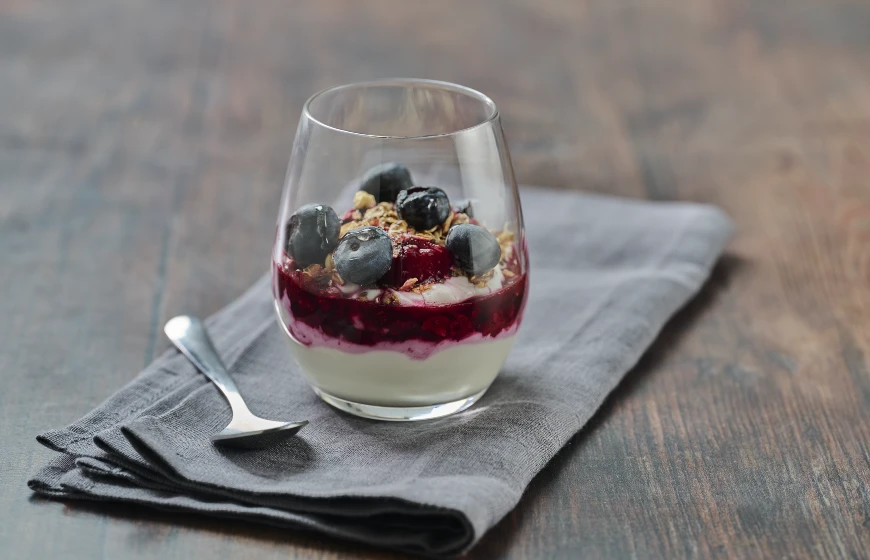
  • Greek yoghurt and berry crunch pot
  • Scrambled eggs on wholemeal toast

Lunch

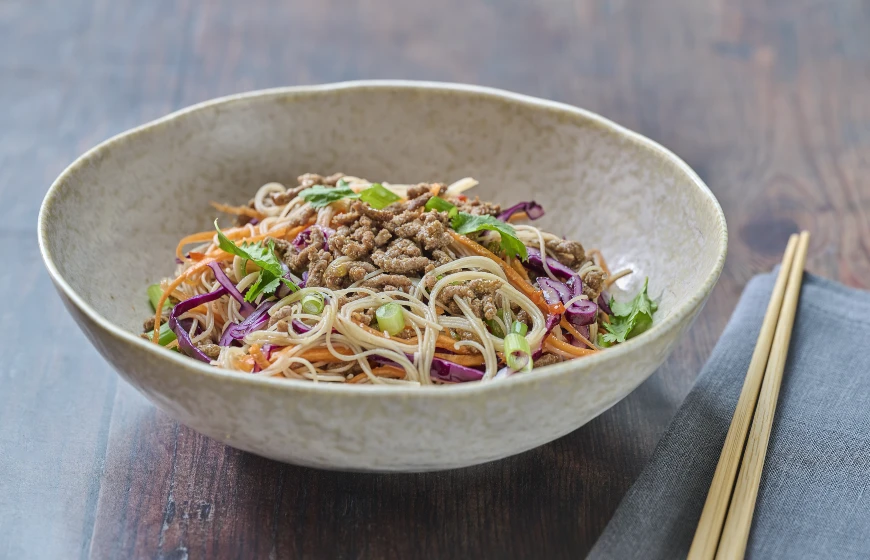
  • Speedy beef noodle bowl
  • Crushed peas and cottage cheese on sourdough toast

Dinner

  • Easy peri-peri lamb with spiced rice
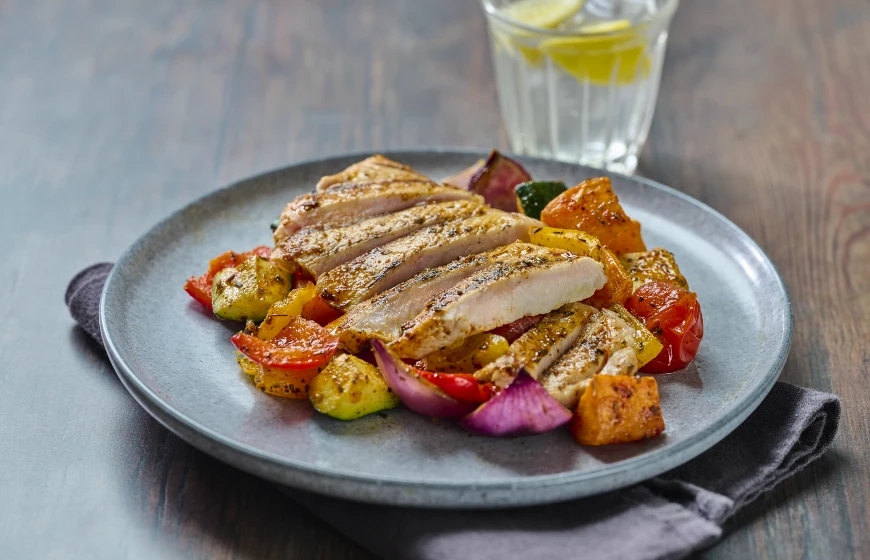
  • Air-fryer pork steaks with colourful roast veg

These meals combine protein, vegetables, and fibre-rich carbohydrate foods, helping to provide a broader range of nutrients within relatively modest portion sizes.

What about snacking?

Many people find that large meals no longer appeal when taking GLP-1 medicines, and so, smaller meals and snacks may feel more comfortable.

Nutritious snack ideas include:

  • A pot of yoghurt
  • A glass of milk
  • Cheese and wholegrain crackers
  • Boiled eggs
  • Fruit with yoghurt

Balance is still the goal

There is no single “perfect” food for people taking GLP-1 medicines.

Instead, focus on making the food you eat work harder by choosing nutrient-dense ingredients. A balanced diet that includes vegetables, fruit, wholegrains, dairy foods, and protein-rich foods can help you obtain a range of essential nutrients, even when your appetite is reduced.

By , you can help maximise the nutritional value of the food you eat to support your weight-management goals.

  • Air Fried Pork Steaks with Roasted Vegetables

    Serves: 2

    Air Fried Pork Steaks with Roasted Vegetables

    Difficulty
    easy
    Prep time
    10 mins
    Cook time
    21 mins
  • Peri-peri lamb leg steaks with spicy rice and citrus herb dressing

    Serves: 2

    Peri-Peri Lamb Leg Steaks with Spicy Rice and Citrus Herb Dressing

    Difficulty
    easy
    Prep time
    10 mins
    Cook time
    21 mins
  • Thai Style Beef Bowl with Sweet Chilli Noodles

    Thai Style Beef Bowl with Sweet Chilli Noodles

    Difficulty
    easy
    Prep time
    10 mins
    Cook time
    6 mins
  • Yoghurt and Berry Breakfast Parfait

    Serves: 2

    Yoghurt and Berry Crunch Pot

    Difficulty
    easy
    Prep time
    15 mins
    Cook time
    8 mins